(330) 876-1228
8507 Main StreetKinsman, OH 44428
(330) 876-1229

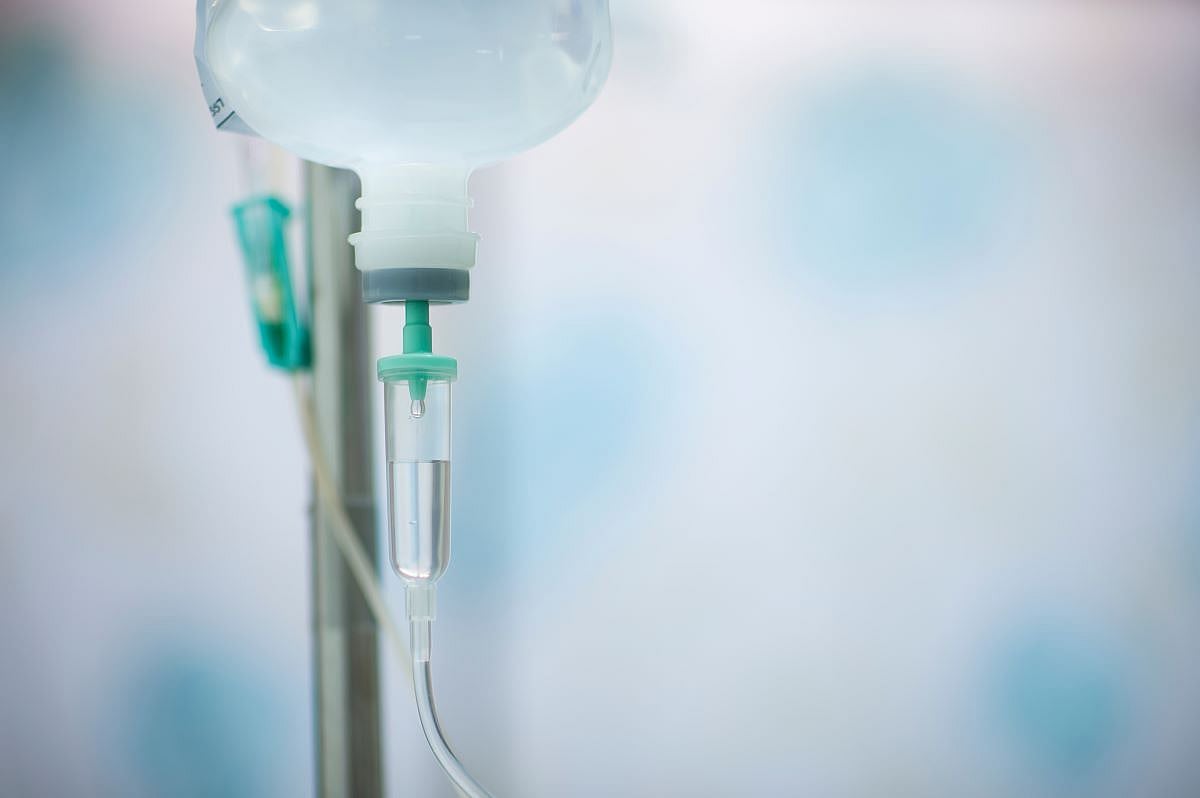
Women with iron deficiency anemia caused by heavy menstrual bleeding might be better helped by IV iron replacement compared to supplement tablets, a new study argues.
A single dose of intravenous iron replacement helped women better than iron supplements taken every other day, researchers reported Jan. 8 in the journal Blood Advances.
“Oral iron is usually given as first-line treatment because on the surface, it appears less expensive and more convenient,” said lead researcher Daniel Wang, a fourth-year medical student at Yale School of Medicine in New Haven, Conn.
“However, we found that the preferred first-line treatment for these patients is IV iron as it delivers the highest value for cost and substantially improves quality of life,” Wang said in a news release.
Nearly a third of all women experience iron deficiency anemia, and women with heavy menstrual bleeding are at especially high risk, researchers said in background notes.
Symptoms can include extreme fatigue, shortness of breath and chest pain, researchers said. Anemia might also cause other health problems to worsen.
Oral iron supplements are typically prescribed for women with iron deficiency anemia, but the tablets cause notable GI side effects and are less efficient for replenishing iron stores, researchers said.
For the new study, researchers developed a model to compare the two modes of iron replacement, projecting outcomes over the menstrual lifetime of women from age 18 to 51.
Patients who got a single dose of IV iron could be expected to maintain healthy blood iron levels for at least 30 months, the study found.
By comparison, those taking supplements every other day would have their anemia return within 36 months, despite the continued hassle of taking the pills, researchers said.
The IV treatment also proved more cost-effective than supplements, researchers said.
The model did have some limitations. It assumed women would have the same level of menstrual blood loss across their reproductive lifetimes, and did not factor in all the IV iron formulations available to patients.
Researchers plan to continue refining their model, and to make it available to patients, doctors and insurers evaluating treatment options for iron deficiency anemia.
“One study at a time, we hope to decrease insurance barriers and enhance decision-making and quality of life across the spectrum of a woman’s reproductive life,” said senior researcher Dr. George Goshua, an assistant professor of medicine in the section of medical oncology and hematology at Yale School of Medicine and Yale Cancer Center.
“This is a prevalent global issue, and we hope that others around the world can take this model, adapt it to their contexts, and continue building upon it,” he said in a news release.
More information
The National Institutes of Health has more on iron deficiency anemia.
SOURCE: American Society of Hematology, news release, Jan. 8, 2026
