(330) 876-1228
8507 Main StreetKinsman, OH 44428
(330) 876-1229

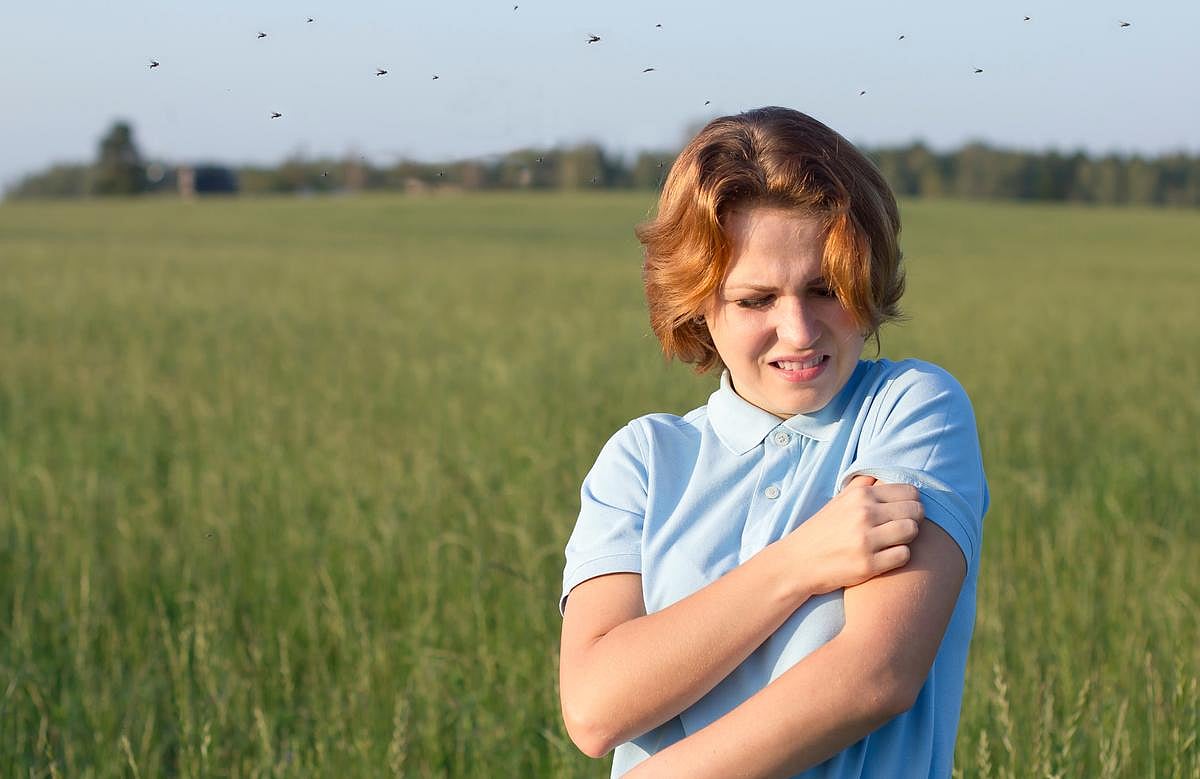
As people cut deeper into Brazil’s Atlantic Forest, mosquitoes may be changing who they bite, and a new study suggests they have a new favorite target: humans.
The Atlantic Forest once stretched across much of Brazil’s coast and was home to hundreds of animal species. Today, only about one-third of the forest remains, largely due to farming and human development.
In the study, published Jan. 15 in the journal Frontiers in Ecology and Evolution, researchers say this loss of wildlife may be forcing mosquitoes to rely more on humans for blood, raising the risk for spreading dangerous diseases.
Scientists set mosquito traps in two protected forest areas in Rio de Janeiro. They collected 1,714 mosquitoes from 52 species.
Of those, 145 female mosquitoes had recently fed, and researchers were able to identify the blood source in 24 cases.
Here’s what they found:
Eighteen mosquitoes had fed on humans.
Others had fed on six birds, one amphibian, one rodent and a mammal from the dog family.
Some mosquitoes fed on more than one host, including both humans and animals.
"Mosquito behavior is complex," said senior author Jeronimo Alencar, a researcher at the Oswaldo Cruz Institute in Rio de Janeiro.
"Although some mosquito species may have innate preferences, host availability and proximity are extremely influential factors," he said in a news release. "Here we show that the mosquito species we captured in remnants of the Atlantic Forest have a clear preference for feeding on humans."
As forests shrink, animals disappear. But mosquitoes? They adapt.
"With fewer natural options available, mosquitoes are forced to seek new, alternative blood sources," said co-author Sergio Machado of the Federal University of Rio de Janeiro. "They end up feeding more on humans out of convenience, as we are the most prevalent host in these areas."
This shift can increase the spread of mosquito-borne diseases such as yellow fever, dengue, Zika, chikungunya, Mayaro and Sabiá viruses.
About 7% of the mosquitoes collected had visible blood meals, and scientists could identify the source in roughly 38% of those cases.
Researchers say larger studies are needed to better track mixed blood meals.
Still, the pattern was clear enough for concern.
"Knowing that mosquitoes in an area have a strong preference for humans serves as an alert for transmission risk," Machado said.
More information
Mass.gov has more on mosquito-borne diseases.
SOURCE: Frontiers, news release, Jan. 15, 2026
