(330) 876-1228
8507 Main StreetKinsman, OH 44428
(330) 876-1229

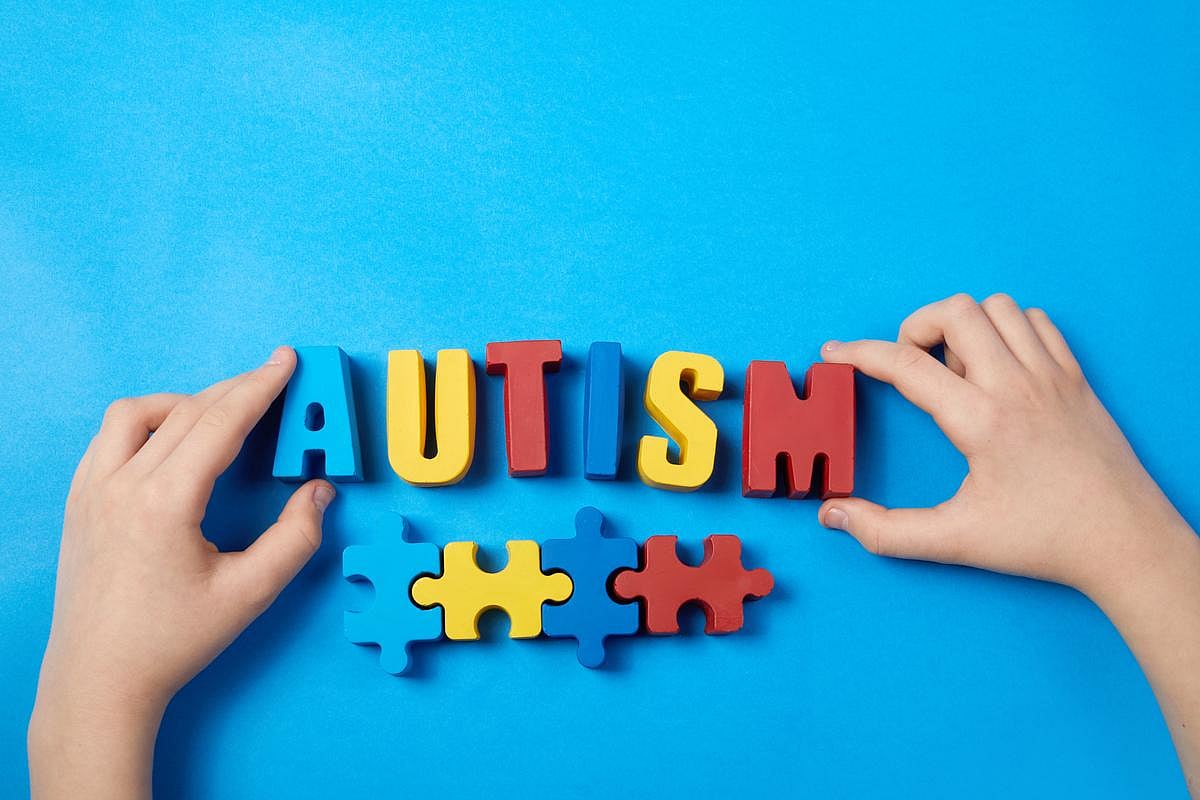
Early treatment can help most non-speaking children with autism gain some verbal ability, a new study says.
Following early intervention, about two-thirds of non-speaking kids with autism gained the ability to use single words, researchers recently reported in the Journal of Clinical Child and Adolescent Psychology.
What’s more, about half developed more complex language, researchers said.
“When parents ask me if their child should do these interventions to gain spoken language, the answer after doing this study is still yes,” lead researcher Giacomo Vivanti said in a news release. He is the leader of early detection and intervention in the Autism Institute at Drexel University’s Dornsife School of Public Health in Philadelphia.
About 1 in 3 children diagnosed with autism is non-speaking, researchers said in background notes.
If those children don’t gain spoken language beyond their preschool years, they face an increased risk of disabilities in later life.
As a result, language skills are usually a major target for early child development, researchers said.
For this new study, researchers tracked the progress of 707 preschoolers with autism who were provided different types of early interventions.
This treatment lasted from six months to two years for at least 10 hours a week, and was designed to teach spoken language among other skills.
About half of the children who had single words or no words at the start were combining words by the end of their early treatment, researchers found.
Results also showed that the duration of the intervention mattered more for children who were nonverbal.
That means that programs might work better if they provide treatment for fewer hours per week over a longer period of time, researchers said.
Roughly one-third of the children did not gain anything from early intervention, and these were kids who started with lower scores on tests of thinking, motor skills, socialization and adaptability.
On the other hand, children were more likely to obtain spoken language if they tended to imitate others’ actions, such as joining in when people are clapping hands, nodding or performing other gestures, researchers found.
“Those nonspeaking prerequisites of communication may help create infrastructure for spoken language,” Vivanti said. “Imitating what others are doing may help may them later to imitate what people are saying, and from there using language to express their thoughts.”
Overall, the type of intervention used made little difference in a child’s language learning, researchers found.
“For young autistic children, often the highest priority is figuring out ways of supporting their communication, both their understanding and use of spoken language as well as other important behaviors, such as gestures,” researcher Catherine Lord, a professor of psychiatry and education at UCLA, said in a news release.
“Many well-established interventions have reported improvements in test scores and parent report measures,” Lord said. “However, it is important to remember that not all children learn at the same rate, and to be sure that we know when and how to shift strategies when progress isn't happening or is occurring in such small steps that it is hard to see.”
More information
Autism Speaks has more on teaching nonverbal autistic children to talk.
SOURCE: Drexel University, news release, Jan. 22, 2026
